
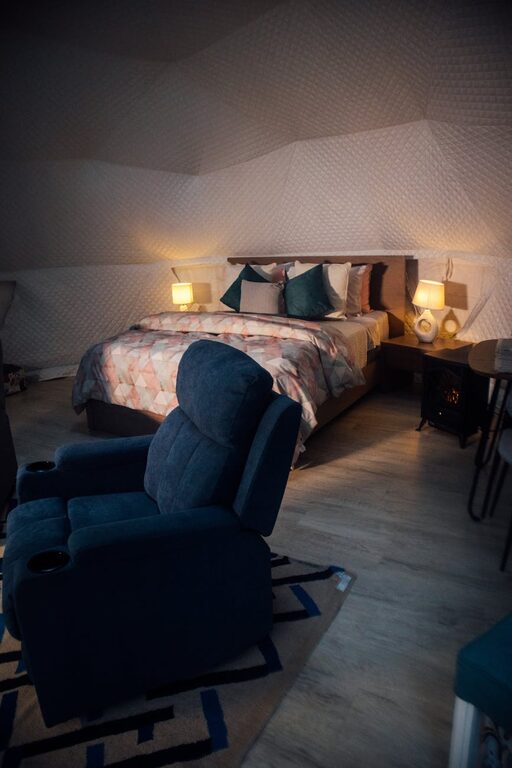
Creating a comfortable home environment involves many factors, and lighting plays a crucial role in shaping the mood, functionality, and aesthetic of your living space. Choosing the right lighting can make your home feel inviting, cozy, and practical. In this post, we’ll explore useful tips to help you select comfortable lighting for your home.
Understanding the Importance of Comfortable Home Lighting
Lighting affects not only how a room looks but also how you feel in it. Proper lighting can reduce eye strain, boost your mood, and even improve your productivity. On the other hand, harsh or improper lighting can cause discomfort and fatigue.
Types of Home Lighting
Before choosing lighting, it’s helpful to understand the different types commonly used in home settings:
Ambient Lighting
This is the main source of light in a room, providing overall illumination. It’s often achieved with ceiling fixtures, chandeliers, or recessed lights.
Task Lighting
Designed for specific activities like reading, cooking, or working, task lighting is focused and bright to aid concentration. Desk lamps, under-cabinet lights, and pendant lights are common examples.
Accent Lighting
Accent lighting adds drama and highlights features such as artwork, plants, or architectural details. It creates layers and depth in a space.
Tips for Choosing Comfortable Lighting
1. Consider Natural Light First
Maximize natural light during the day by using sheer curtains or blinds that allow sunlight to filter through. Natural light supports well-being and reduces the need for artificial lighting.
2. Choose the Right Color Temperature
Light bulbs come in different color temperatures measured in Kelvins (K). For comfortable home lighting:
– Warm light (2700K-3000K) is ideal for living rooms and bedrooms, promoting relaxation.
– Neutral light (3500K-4100K) works well in kitchens and bathrooms for clarity.
– Cool light (5000K-6500K) is suited to workspaces but may feel harsh for living areas.
3. Use Dimmers for Flexibility
Installing dimmer switches allows you to adjust light intensity according to your needs and mood. This adds comfort and helps save energy.
4. Layer Your Lighting
Combine ambient, task, and accent lighting to create a balanced and adaptable environment. For instance, use ceiling lights for general illumination, add table lamps for reading, and accent lights to highlight décor.
5. Pay Attention to Bulb Quality
Select bulbs that emit flicker-free, consistent light. LED bulbs are energy-efficient, long-lasting, and available in various styles and temperatures.
6. Avoid Glare and Shadows
Position lights so they don’t shine directly into your eyes or create harsh shadows. Use lampshades, frosted bulbs, or indirect lighting to soften the effect.
7. Match Fixtures to Your Decor
Choose lighting fixtures that complement your home’s style—from modern to rustic—while providing the right function. Stylish lighting adds personality and enhances comfort.
8. Think About Room Function
Different rooms require different lighting approaches:
– Living rooms benefit from warm and varied lighting.
– Kitchens need bright, clear task lighting.
– Bedrooms should have soft, calming lights.
– Bathrooms require balanced lighting for grooming.
Practical Lighting Ideas for Each Room
Living Room
Create a welcoming atmosphere with layered lighting: use a central chandelier for ambient light, floor lamps for reading corners, and wall sconces or spotlights to accentuate artwork.
Kitchen
Install bright, shadow-free lighting over work areas like countertops and the sink. Under-cabinet LED strips are practical and unobtrusive.
Bedroom
Soft bedside lamps with warm white bulbs help you relax before sleep. Consider dimmers to control brightness.
Bathroom
Combine overhead lights with vanity lights around mirrors to ensure even, shadow-free illumination.
Final Thoughts
Comfortable home lighting is about balance—considering brightness, color temperature, fixture placement, and your lifestyle needs. By mixing different types of lighting and using adjustable features, you can create a cozy, functional, and beautiful home environment that you’ll enjoy day and night.
Remember, lighting is not just about visibility but about feeling good in your space. Take your time, experiment with different options, and choose lighting that truly makes your home comfortable.
