
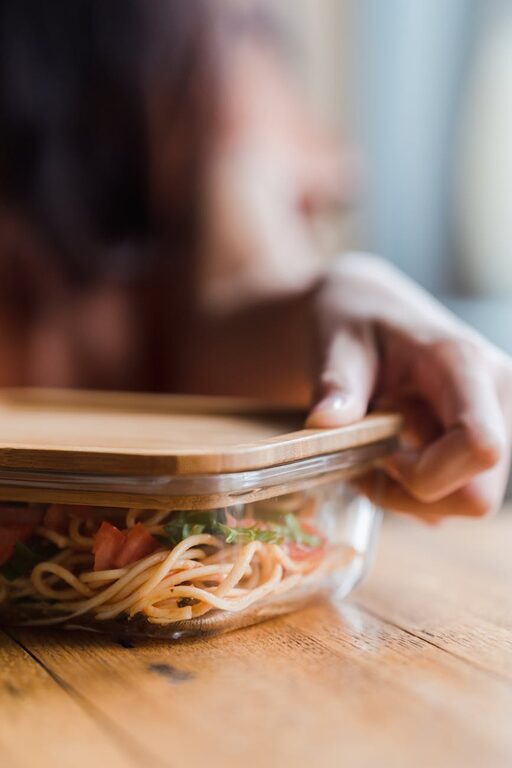
Reducing food waste at home is an important step toward living more sustainably and saving money. Each year, millions of tons of food end up in the trash, contributing to environmental issues and wasting resources. Fortunately, there are many simple changes you can make to your habits that will significantly cut down on food waste while keeping your kitchen organized and your meals delicious. This post shares practical strategies you can start using today.
Why Reducing Food Waste Matters
Before diving into tips, it’s helpful to understand why reducing food waste is so important. When food is thrown away, all the energy, water, and labor used to produce that food is wasted too. Food waste also contributes to methane emissions when it decomposes in landfills, which is a potent greenhouse gas. By minimizing food waste, you help conserve resources, reduce pollution, and support a more sustainable food system.
Plan Your Meals Thoughtfully
Create a Weekly Meal Plan
One of the best ways to avoid unnecessary waste is by planning your meals in advance. Take some time each week to decide what you’ll cook and eat. This prevents impulse buying and ensures you only purchase ingredients you will actually use. A detailed shopping list based on your meal plan keeps you focused and reduces the chance of forgotten items spoiling.
Use a Shopping List and Stick to It
When you head to the store, bring a clear list and commit to buying just those things. Avoid bulk buys of perishable items unless you know you will use them quickly. Shopping with a list also helps prevent duplicate purchases.
Store Food Properly
Understand Expiration Dates
“Best before” and “use by” labels can be confusing. “Best before” indicates when the quality may start to decline, but food can still be safe to eat. “Use by” refers to safety and should be followed strictly. Use your senses—smell, look, and taste—to judge food freshness when in doubt.
Use Appropriate Containers
Invest in airtight containers, reusable wraps, and good-quality storage bags. Properly storing fruits, vegetables, leftovers, and dry goods prolongs freshness and keeps food edible longer.
Organize Your Fridge and Pantry
Keep your fridge and pantry organized so you can easily see what you have. Place items older or closer to expiration toward the front to use them first. Avoid overstocking to prevent food from spoiling before it’s eaten.
Be Creative with Leftovers
Repurpose Meals
Transform leftovers into new dishes to keep meals interesting. For example, roast vegetables can be turned into soups or frittatas; stale bread becomes croutons or breadcrumbs; leftover rice can be stir-fried with veggies.
Portion Control
Cook appropriate portions to meet your household’s needs. If you do have leftovers, store them properly and label containers with dates so you remember to eat them.
Minimize Waste from Fruits and Vegetables
Use the Whole Produce
Many fruits and vegetables can be consumed entirely or used in creative ways. For example, beet greens and broccoli stems are edible and nutritious. Save vegetable scraps to make homemade broth for soups and stews.
Buy Ugly Produce
Choose imperfect or “ugly” fruits and vegetables. These are often discarded by retailers but are just as tasty and nutritious, helping reduce food waste upstream.
Compost Food Scraps
Even with careful planning, some food waste is inevitable. Composting helps divert organic waste from landfills, returning nutrients to the earth and reducing methane emissions.
Start a Kitchen Compost Bin
Keep a small container in your kitchen to collect vegetable peels, coffee grounds, eggshells, and other compostable scraps. Regularly empty it into your outdoor compost pile or use a local composting service if available.
Additional Tips to Reduce Food Waste
– Freeze excess perishable items before they spoil to extend their shelf life.
– Use smaller plates to help control portion sizes and reduce uneaten food.
– Share surplus food with friends, family, or neighbors before it goes bad.
– Educate your household on waste reduction habits so everyone contributes.
Conclusion
Reducing food waste at home is a manageable and rewarding effort. By planning meals, storing food properly, getting creative with leftovers, and composting scraps, you can make a positive environmental impact while saving money. Start adopting these simple changes one step at a time, and you’ll be surprised how much less food ends up thrown away.
Try implementing one or two tips this week and see the difference it makes. Small changes add up to big results!
